Your content doesn't need rewriting—it needs stronger content formatting and layout. People leave when your page feels messy, inconsistent, or hard to skim, and so does your traffic.
Poor formatting leads to:
- High bounce rates and low engagement
- Missed CTAs and broken reading flow
- Lower rankings from weak UX signals
But when structure works, your message gets read. We'll explain what formatting and layout mean (with examples) and how to improve both for better readability, SEO, and user experience.
What Content Formatting and Layout Mean?
They refer to the methods used to organize and present information clearly and attractively. In detail, consider these points:
- Formatting is the visual setup of text—including headings, short paragraphs, lists, line breaks, indents, typefaces, and punctuation, that transforms raw content into a polished, readable form.
- Layout: the arrangement of text and graphics that positions elements such as images, icons, and blocks of text to highlight key information and guide the reader through the material, together with style—the design choices that set the tone and mood.
According to a HubSpot survey, nearly 35% of readers only skim blog posts, and another 38% mix scanning with focused reading.
So, if your layout doesn't guide the eye, most of your message will be missed. Also, incorporate visual elements like images, icons, and infographics. This helps illustrate your points and break up dense text.
How do Content Formatting and Layout Drive Engagement?
A good content format helps readers scan and understand your content. A clear layout supports user flow and decision-making. Here's what it improves:
1. Easy Navigation
When your structure is clean, it's easier to find what matters. Readers stay longer, bounce less, and convert more. Key elements:
- Logical Flow: Break content into short, titled sections. If you showcase your product's features, here's a strong format example used to improve scanning and structure.

This way, someone looking for customer testimonials can jump straight to that part without sifting through unrelated details.
- Intuitive Layout: When you organize your page with "jump to" links, sticky menus, or visual markers, it feels like you're holding your reader's hand.
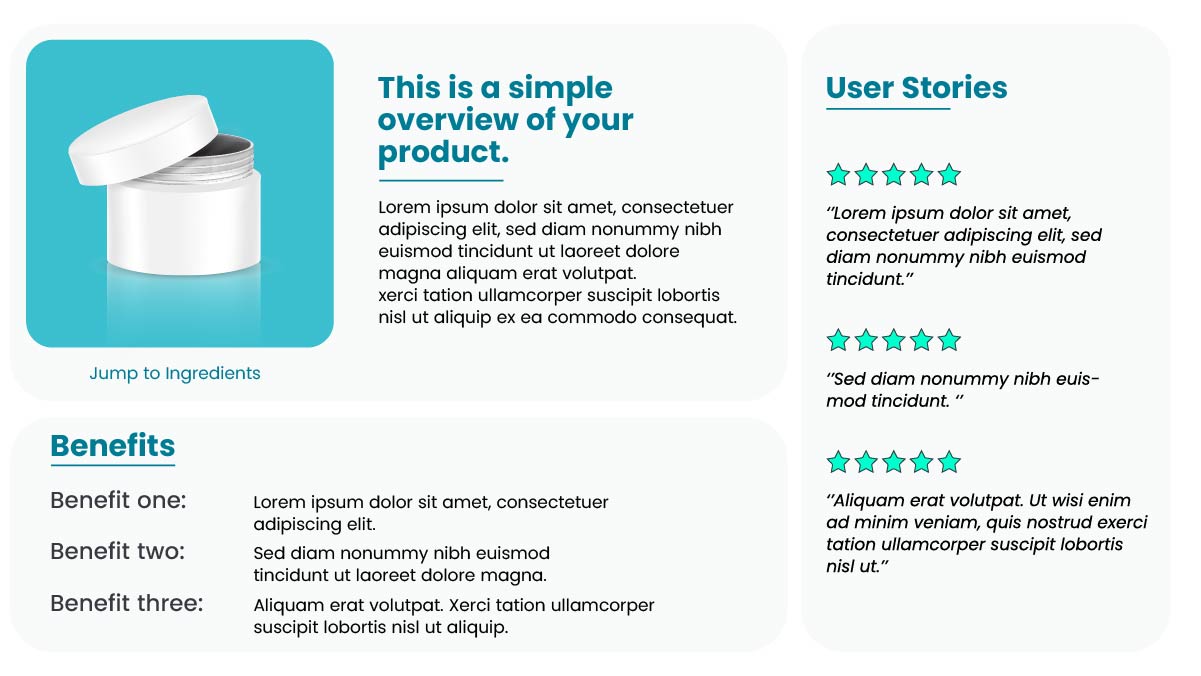
Now, customers can instantly navigate to what they need without scrolling endlessly. This is a good example of a web page layout that demonstrates clarity.
- Enhanced Accessibility: Using proper HTML tags for headings and ensuring your layout works with screen readers ensures all users, including those with visual impairments, can easily navigate your content.
- Reduced Cognitive Load: By breaking complex information into small, labeled sections, you help your readers absorb ideas without feeling mentally drained.
This way, people can easily remember what comes next without feeling lost in a long paragraph of instructions.
- Visual Cues: Use design elements like white space, contrasting fonts, or even small icons to draw attention to key parts of your page.
It can gently prompt readers to take the next step, such as checking out a demo or reading more details. Strong blog formatting includes all these elements.
2. Better Readability
Short sentences and paragraphs help get to the point. So, keep it skimmable:
- Short paragraphs and simple sentence structures: Explaining something as if you're chatting with a friend makes the content accessible to everyone without technical terms.
- Headings that signal what's coming: They break up the text and help readers find the sections that interest them most.
- Plenty of white space: It gives the text room to breathe and prevents the page from feeling overcrowded.
- Bulleted lists to highlight key points or steps: Short lines work like a mini checklist, which helps readers remember essential details.
3. Improved Clarity
Don't make readers guess what you mean. Clear formatting supports clear thinking. Use:
- Everyday language
- Consistent design rules (same heading sizes, spacing)
- A clear tone throughout, aligned with your brand
Remember, when your content is easy to follow, it minimizes the need for readers to re-read or decipher meaning, resulting in a smoother and more efficient reading experience.
4. Enhanced User Experience
Layout isn't just visual—it's strategic. A consistent, responsive layout ensures:
- Visitors know where to look
- Content feels trustworthy and polished
- Everything works equally well on desktop and mobile
5. Better Search Visibility
Formatting helps readers, but it also helps Google. When you use proper structure:
- HTML tags (H1, H2, H3) signal hierarchy
- Metadata is easier to scan
- Bounce rates drop, time on page rises—positive SEO signals
Overall, Google's ranking system closely monitors user behavior, so well-formatted content that reduces bounce rates and increases time on page sends strong signals that your page is relevant and useful, helping it rank higher in search results.
Not sure your formatting supports users and rankings?
Our formatting and layout service is designed to fix these issues, from a messy structure to a missed hierarchy. It helps you present your content best and improve its performance.
Practical Tips for Better Content Formatting and Layout
Start by knowing your goals and audience. Therefore, before you begin designing your content, have a clear idea of:
- WHAT do you want to achieve
- WHO do you want to reach
- WHAT do you want to achieve
Next, wisely choose the right content formats and platform because each has its own algorithm and audience expectations. Remember to incorporate visual elements like images, icons, and infographics. This helps illustrate your points and break up dense text.
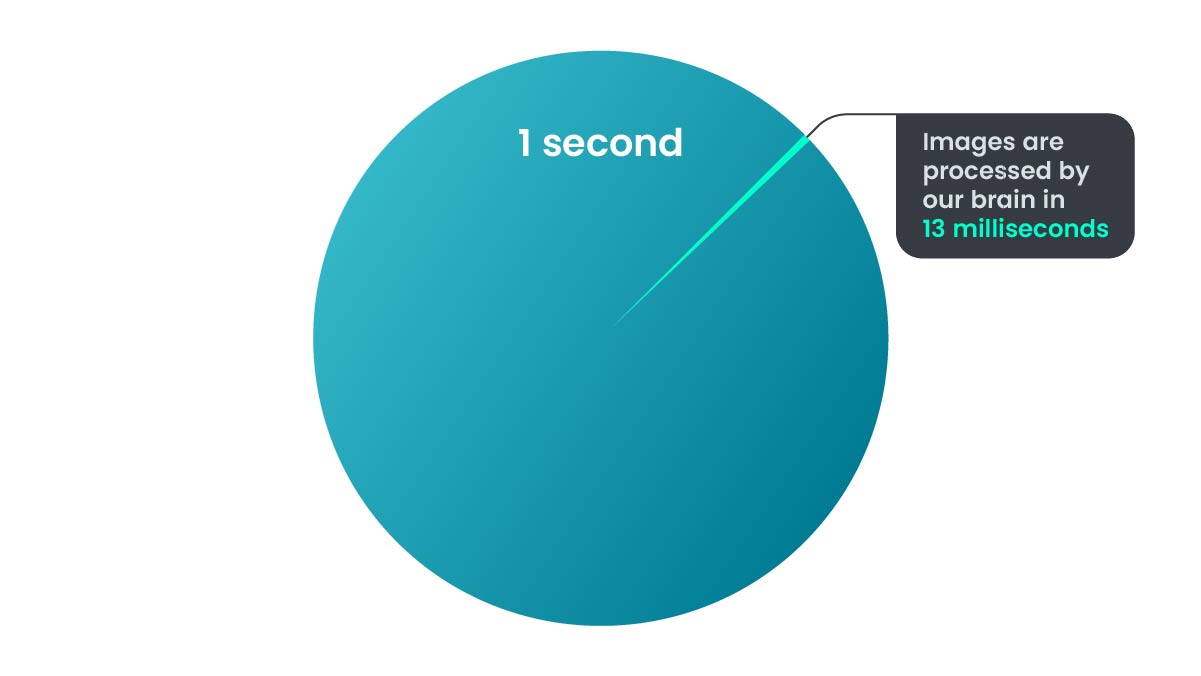
Optimize your content for mobile devices and accessibility, using clear fonts and ensuring images have descriptive alt text for users who rely on screen readers.
Finally, test and monitor performance metrics, gather user feedback, and be willing to experiment with different headlines, formats, and design tweaks. Whether through A/B testing or direct user surveys, always refine your approach based on real-world data!
Challenges and Common Mistakes
Addressing content formatting challenges through thoughtful planning ensures your content remains clear, engaging, and accessible to all readers. So, pay attention to these common issues:
- Overcrowded Layout: Cramming too much information into one view can confuse readers and weaken your message. Overcrowded pages create visual clutter and make it difficult to focus on the key points.
- Long, Dense Paragraphs: Lengthy blocks of text without breaks can tire readers quickly. Without sufficient white space, the content becomes intimidating and hard to digest.
- Inconsistent Styling: Variations in fonts, spacing, and alignment across the page lead to a disjointed design. Inconsistencies not only disrupt the flow but can also reduce the perceived credibility of the content.
- Neglecting Mobile Responsiveness: Failing to adapt the layout for smartphones and tablets frustrates users. A design that works well on a desktop but not on smaller screens can lead to decreased engagement and higher bounce rates.
- Overlooking Accessibility: Not considering users with different abilities, such as those using screen readers, limits your audience. Missing alt text for images, improper heading structures, and poor contrast can create barriers for many users.
Ready to Take Control of Your Website's Performance?
A content audit isn't just a cleanup—it's a system for improving what already exists. When done regularly and with a clear plan, it helps your website stay useful, findable, and aligned with your audience's needs.
Need help fixing technical issues? Contact our team for a full on-page SEO review.