Conversion rate—the percentage of visitors who take a desired action—can be boosted with copywriting techniques focusing on elements such as:
- Identifying and satisfying search intent
- Selecting the right keywords
- Writing strong calls to action
- Identifying and satisfying search intent
Our experience with over 150 clients at Vitas Digital Group proves these strategies (and the other 7) work. So, we'll guide you through each step using real examples and insider techniques that turn visitors into loyal customers.
Table of contents
- 1. Find the Right Keywords
- 2. Identify and Satisfy Search Intent
- 3. Check Competitors' Articles for Your Target Keywords
- 4. Clarity and Conciseness
- 5. Emotional Triggers
- 6. Optimizing Content Structure
- 7. Strong Call-to-Actions (CTAs)
- 8. Create Linkable Assets
- 9. Include Visuals
- 10. A/B Testing
- Frequently Asked Questions (FAQs)
10 Key Copywriting Techniques
Each technique is practical, simple to apply, and focused on helping your content convert, whether you're writing copy for a blog, ad, or product page.
1. Find the Right Keywords
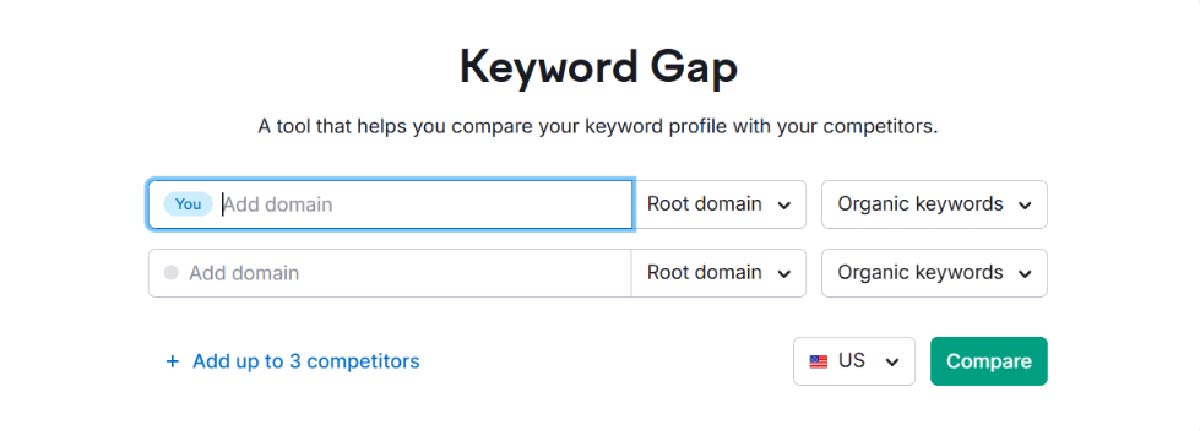
There are many simple ways to discover new keywords. You can use easy online tools or more advanced ones like Semrush's Keyword Magic Tool, Google Keyword Planner, and Keyword Strategy Builder to spot search words your competitors might be missing.
For example, Google Search Console reveals keywords you haven't written for yet, while the Semrush Keyword Gap tool shows untapped terms used by your competitors.
2. Identify and Satisfy Search Intent
Search intent is the reason behind every search—what people truly want to find when they type in a query. By aligning your content with what users seek, you create a path from discovery to conversion.
- How does identifying search intent lead to higher conversions?
- What tools can you use to grasp search intent?
You can start with free tools like Google Search Console and Google Trends, which reveal popular queries and user behavior. For deeper insights, paid tools such as Ahrefs show detailed metrics and users' preferences to help you build a real strategy.
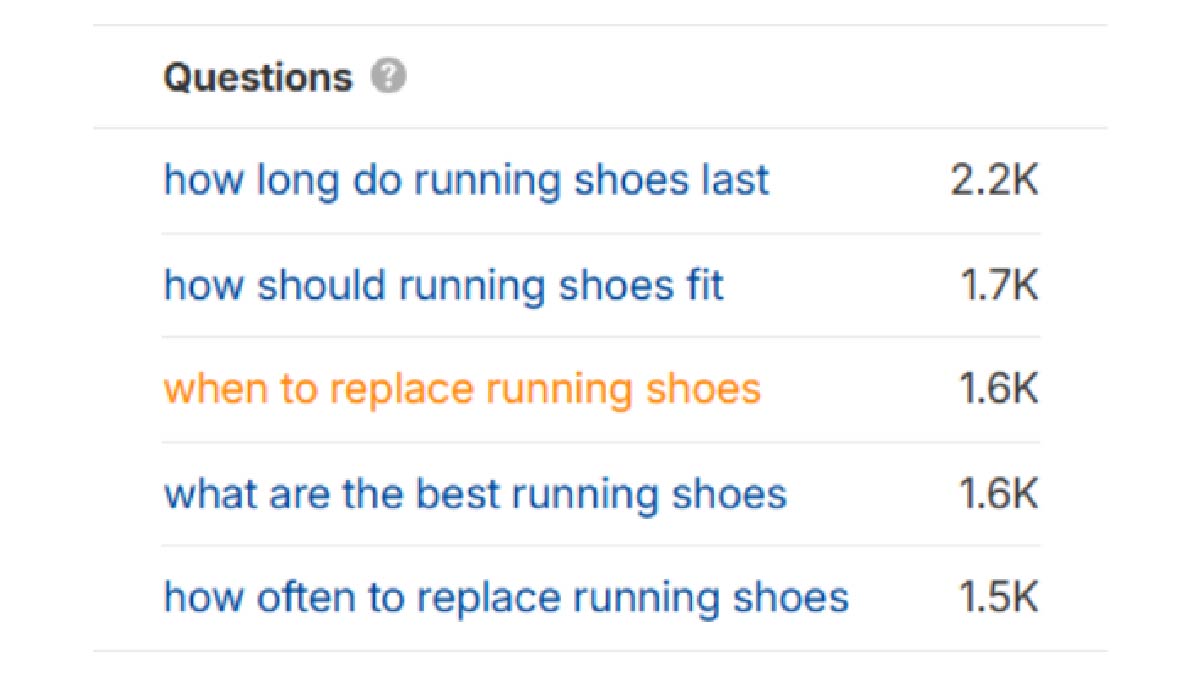
How should you proceed? After researching common questions related to your audience, do the next:
- Organize your content to answer those needs.
- Continuously test and refine your approach to ensure ongoing improvement.
3. Check Competitors' Articles for Your Target Keywords
Checking your competitors' articles for target keywords means uncovering the search words that bring them traffic. What keywords are you looking for? The exact terms competitors rank for organically and bid on in paid search.
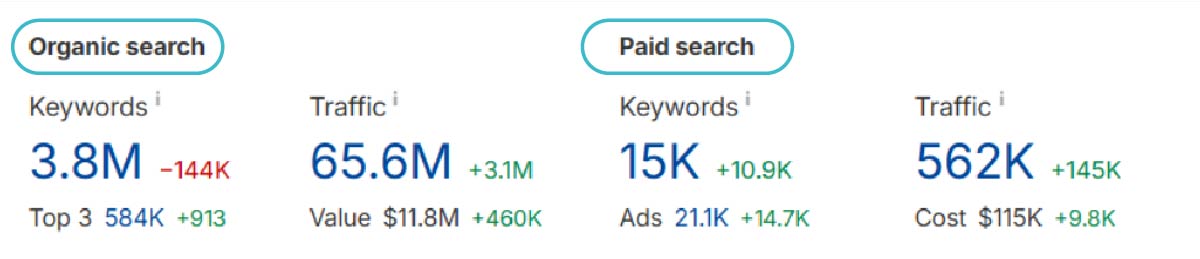
Use Ahrefs' Site Explorer to analyze a competitor's domain.
- Go to the Organic Keywords report to see what search terms bring them traffic.
- Switch to the Paid Keywords tab to identify terms they're bidding on through ads.
- Pay attention to positions, volume, CPC, and traffic %.
From there, you can spot content gaps—keywords they rank for that you don't. These gaps are excellent starting points for new articles or landing pages.
How to organize this? Group related keywords into topic clusters, which can help guide your on-page SEO and content structure. Focus on key metrics:
- Search volume – how many people are searching for the term
- Keyword difficulty – how hard it is to rank
- Cost per click – a good indicator of commercial value
Finally, use Ahrefs' Rank Tracker or Google Search Console to monitor your position over time and compare it to your competitors.
4. Clarity and Conciseness
Long blocks of text can be overwhelming, so break your content into short paragraphs that start with the main idea and then add supporting details.
Always put the most important point first, so readers immediately understand what's being communicated.
Write in short, simple sentences that get your message across quickly. Avoid technical jargon unless it's essential; use everyday language instead.
Here are some examples:
❌ Instead of saying: "Optimize your landing pages to facilitate user progression through the conversion funnel."
✔️ Say: "Design pages that help visitors decide quickly."
This approach makes your content more engaging and easier to skim, ensuring your audience gets the key information fast.
5. Emotional Triggers
Emotional triggers in your text mean using words and examples that make readers feel something. How to implement this?
- Begin by identifying the emotions you want to evoke - fear, trust, etc.
- Then, explain your audience's common challenge and how your solution eases that worry.
- Use simple, clear language to describe the problem and the relief your solution offers.
- Begin by identifying the emotions you want to evoke - fear, trust, etc.
Here's how the Vitas Digital Group team creates "emotional" copy:
"You need just one sudden heavy rain on a trail filled with hidden pools and unstable rocks to suffer severe falls and life-altering injuries. Our hiking sneakers, designed for exceptional grip and moisture control, are your safeguard against these very real dangers. And with our special offer valid until the end of the month, there's no price regret!"
These techniques are often part of proven copywriting frameworks that guide structure and tone across campaigns. And, here's here'sa table for easier understanding:
Emotion Triggered | How It's Triggered | Purpose |
Fear | Describing the danger of serious injury from unstable, slippery trails | Creates urgency and highlights the problem |
Trust | Presenting sneakers as a reliable solution with grip and moisture control | Builds confidence in the product's ability to protect |
Guilt | Mentioning the limited time offer and the risk of choosing unsafe, cheaper alternatives | Encourages immediate action and emotional responsibility |
Marketers' techniques feel overwhelming? Then, copywriting services can help you with structure, tone, and conversion, while you stay focused on the bigger picture.
6. Optimizing Content Structure
Optimizing your content's structure helps users and search engines understand your page faster. Every detail, from how you write titles and descriptions to how you organize headers, plays a role in engagement and visibility.
Title Tags
These are the clickable headlines you see in search results. They should be short—ideally 60 to 70 characters—and include your main keywords. A clear and concise title tag tells users and search engines what the page is about, increasing the chances of a click.
Meta Descriptions
Meta descriptions summarize the content of your page under the title in search results. Although they don't directly affect rankings, a well-written meta description encourages clicks.
Use simple language to describe your page's benefits, keep it under 160 characters, and include a call to action to invite further engagement.
Headers
Headers, such as H1, H2, and H3, break your content into clear sections. They help readers quickly find the needed information and guide search engines through your page. Keep headers straightforward and descriptive to improve user experience and overall SEO.
7. Strong Call-to-Actions (CTAs)
They prompt your readers to take immediate action—whether that's making a purchase, signing up, or learning more. Use clear, direct language that leaves no doubt about the next step. For example, instead of a vague "Click Here," try:
✔️ "Shop Now and Save!" for product pages.
✔️ "Claim Your Discount Today!" to create urgency.
✔️ "Subscribe Now for Exclusive Tips!" for newsletter sign-ups.
These examples use active verbs and a sense of urgency to guide your audience toward conversion, ensuring that your message informs and motivates action.
8. Create Linkable Assets
Linkable assets are high-quality content designed to attract natural backlinks from other websites. They offer unique value that others find useful and want to reference.
For example, you might create:
- Comprehensive Guides: Detailed tutorials or how-to articles that solve a common problem in your niche.
- Infographics: Visually appealing data presentations that simplify complex information.
- Interactive Tools: Calculators, quizzes, or maps that engage users and provide personalized insights.
- Research Studies: Data-driven reports that reveal industry trends or insights.
- Comprehensive Guides: Detailed tutorials or how-to articles that solve a common problem in your niche.
When reputable sites link to your content, it signals credibility to readers and search engines, boosting your rankings. This increased visibility brings more organic visitors interested in your topic.
Moreover, valuable assets like detailed guides or interactive tools help users understand your offerings better.
9. Include Visuals
Visuals like infographics grab attention and keep visitors interested. High-quality videos showing your products make it easier for people to understand your offer. Also, simple images, charts, and tables break up long text and make your page easier to read.
This also applies to social media copywriting, where visuals and short-form copy must work together to stop the scroll.
10. A/B Testing
A/B testing in copywriting means comparing two versions of your text to see which one gets better results. For example, you can test two headlines or email subject lines to see which leads to more clicks. How to do it?
- Start by choosing one element to change—like the length of your headline or the color of your call-to-action button—and create two versions: one as your control and one with your tweak.
- Then, show each version to similar groups of your audience and measure the results, such as click-through rates or conversions.
- Start by choosing one element to change—like the length of your headline or the color of your call-to-action button—and create two versions: one as your control and one with your tweak.
This simple method helps you make informed decisions, ensuring your copy connects with readers and drives more action.
Want a Copy That Actually Converts?
Strong copy starts with structure, keywords, and clarity, but real results come from writing that speaks to intent. Therefore, you'll need proven techniques to boost website performance.
Book a call with our copywriting team to get a customized action plan and bring new clients immediately!