A weak, ineffective website copy can cost you sales, reputation, and long-term success. Every moment wasted with poor website copy gives your competitors a chance to steal your audience.
So, how do you write website copy that converts visitors into customers? Start with the basics:
☑️ Define Your Target Audience
☑️ Write Catchy Headlines
☑️ Craft Strong Calls-to-Action
If writing copy for websites feels tricky, this post walks you through each step and shows real examples.
Table of contents
- What Is Website Copy?
- Copywriting Secrets to Turn Visitors into Customers
- 1. Define Your Target Audience
- 2. Use Clear And Compelling Copy
- 3. Share Information About Your Industry
- 4. Speak Directly to Your Audience
- 5. Understand Your Offering
- 6. Add Live Chat and Chatbots
- 7. Write Catchy Headlines
- 8. Limit Your Copy
- 9. Write Strong CTAs
- 9. Include Visuals
- 10 Optimize for SEO
- 11. Proofread Your Copy
- Ready to Convert Visitors into Customers?
- Browse by Topic
- Share
- Newest Posts
What Is Website Copy?
Website copy (or copywriting for websites) is every word on your site that informs, guides, and persuades visitors. This includes:
- Homepages
- About pages
- Product or service descriptions
- Landing pages
- Contact pages
- CTAs (calls-to-action)
Is it the same as blog content? No, when you compare copywriting vs. content writing, remember this: copy is short, clear, and built for conversions, making it very different from a blog post.
Copywriting Secrets to Turn Visitors into Customers
Use simple headlines, show how your offer helps, and end with a clear next step. That's the core of how to write website copy that sells. So, follow the next steps:
1. Define Your Target Audience
Start by reviewing your existing data—check your customer relationship management (CRM) or website analytics to see who your customers are. Think about details like their age, job, and challenges they face. It helps to run simple surveys or listen to recorded calls to understand what matters to them.
Once you have this information, create a few buyer personas that capture key details like:
Demographics: Age, job, location.
Interests: Hobbies, values, lifestyle.
Pain Points: Problems that need to be solved.

You can also use free tools like Google Analytics and social media insights to get more details about your audience. When you truly understand who they are, you can:
✅ Write a copy that speaks directly to them
✅ Using their language
✅ Addressing the issues that matter most
Remember, before you write a single word, you must know who you're talking to. How should you proceed? After researching common questions related to your audience, do the next:
- Organize your content to answer those needs.
- Continuously test and refine your approach to ensure ongoing improvement.
2. Use Clear And Compelling Copy
Write homepage headlines that explain your value in plain words, not jargon. Replace feature lists with benefit statements and keep paragraphs and bullets short so visitors see value fast.
For instance, instead of saying your tool has "intelligent predictions," explain that it helps you "gain loyal, long-term customers."Therefore, here are some key points to consider:
Keep it Simple: Use clear headlines, short paragraphs, and bullet points to ensure readers understand the message quickly, like: "Save time and grow your business with our easy-to-use platform."
Focus on Benefits: Explain how your product helps your customer instead of only listing what it does. So, instead of "Our app has advanced tracking," say, "Track your progress easily and meet your goals faster."
Use Emotion and Numbers: Use powerful words and specific numbers, two classic persuasion techniques, to build trust and create urgency. For example: "Join 10,000+ happy users who see results in just 30 days."
Guide with Microcopy: Short phrases on buttons or error messages can easily direct visitors. In that case, replace "Submit" with "Get Your Free Quote Now."
Make it Accessible: Ensure your copy is easy to read with clear headings and descriptive text for images.
If you're unsure how to structure this naturally and persuasively, working with a web copywriting service can help you shape the tone and layout without overcomplicating the message.
3. Share Information About Your Industry
Briefly explain recent trends or news so visitors know you keep up with changes. Offer clear tips or best practices that work in real situations. Use simple stats such as: "Voice search now handles 27 % of queries", to build credibility and trust.
Here are some ways to share industry information effectively:
Trends & News: Briefly mention recent trends or news that affect your industry.
Tips & Best Practices: Offer simple advice or strategies that have worked well.
Statistics & Facts: Use easy-to-understand numbers to highlight key points.
By informing your audience about your industry, you build credibility and make your website a trusted resource.
4. Speak Directly to Your Audience
When writing copy for websites, speak like you're having a one-on-one conversation. Use simple, direct language that makes your readers feel like you understand their needs. Always write like a friend giving advice—use "you" and "your" instead of big words.
Ask questions like "Tired of wasting time on manual tasks?" to make readers feel heard and keep sentences short so they read fast. And rather than saying, "Our software optimizes operational efficiency," say:
"You'll save time and reduce hassle with our tool."
5. Understand Your Offering
Before you start writing, make sure you know your product or service inside out—its strengths, what makes it unique, and how it solves your customers' problems. This helps you to focus on benefits instead of listing features. Thus, ask yourself:
What problem does my product solve?
How does it make life easier or better for my customers?
What sets it apart from the competition?
When you grasp these points, your copy will naturally show its true value and clearly explain why customers should choose you.
6. Add Live Chat and Chatbots
Live chat and chatbots let you talk with visitors in real-time. They answer questions, solve problems, and help guide users to the right solution. This quick, personalized support can boost your conversion rate by keeping people on your site and reducing drop-offs.
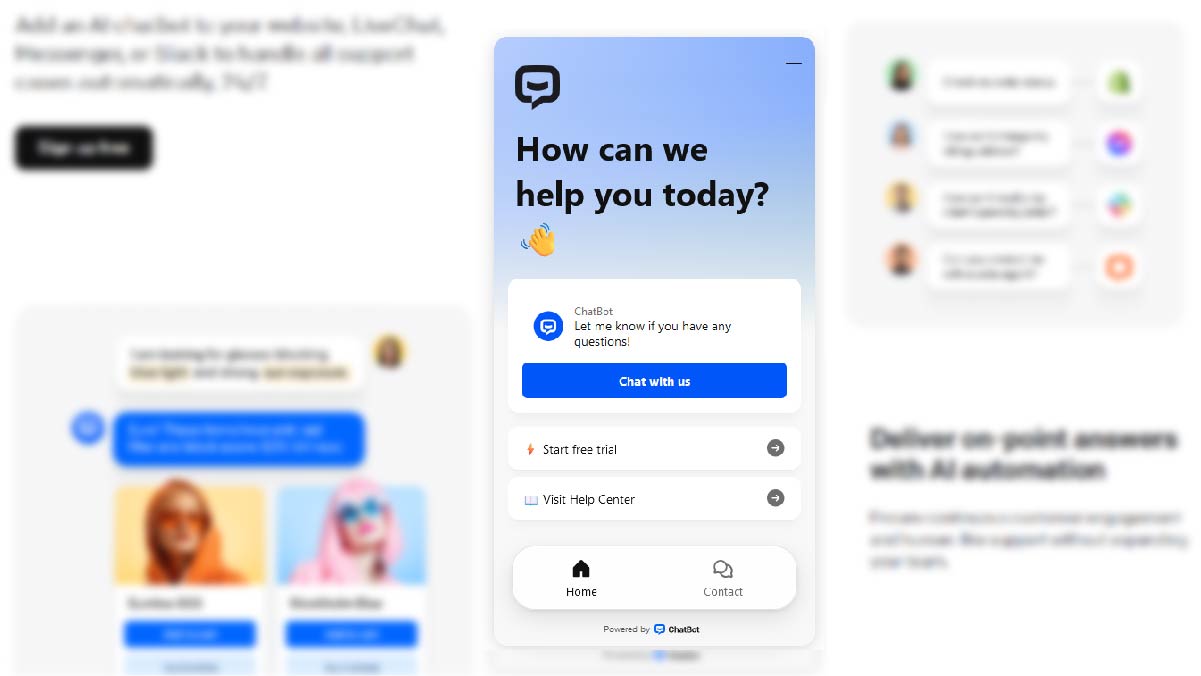
Here's how they help:
Answer questions instantly so visitors feel heard.
Offer product suggestions or upsell when it makes sense.
Gather feedback to improve your services.
Generate leads by starting a conversation at the right moment.
Make sure your live chat feels friendly and human-like, and have a backup plan for more complex questions.
7. Write Catchy Headlines
Your headlines are the first thing visitors see—most only spend 53 seconds on a page, so you have to grab their attention fast. Make your headlines clear, punchy, and packed with value. Here are some headline writing techniques that work:
- Ask a Question: When someone sees a question they relate to, they're more likely to stop and read further.
"Tired of wasting time on messy websites?"
- Ask a Question: When someone sees a question they relate to, they're more likely to stop and read further.
- Highlight Benefits: Highlighting benefits shows readers exactly what they stand to gain, whether saving time, cutting costs, or making life easier.
"Save 30 Minutes Every Day with Our Tool"
- Highlight Benefits: Highlighting benefits shows readers exactly what they stand to gain, whether saving time, cutting costs, or making life easier.
- Use Numbers: Numbers are easy to process and help your audience see the measurable value in your offering.
"5 Ways to Boost Your Sales Fast"
- Use Numbers: Numbers are easy to process and help your audience see the measurable value in your offering.
Keep them short, use strong language, and include keywords that match what your audience is looking for. Placing the main keyword near the start of a headline is one of the simplest SEO writing tips. Always test different versions to see which ones resonate best.
8. Limit Your Copy
They prompt your readers to take immediate action—whether that's making a purchase, signing up, or learning more. Use clear, direct language that leaves no doubt about the next step. For example, instead of a vague "Click Here," try:
✔️ "Shop Now and Save!" for product pages.
✔️ "Claim Your Discount Today!" to create urgency.
✔️ "Subscribe Now for Exclusive Tips!" for newsletter sign-ups.
These examples use active verbs and a sense of urgency to guide your audience toward conversion, ensuring that your message informs and motivates action.
9. Write Strong CTAs
Your call-to-actions should tell users exactly what to do next. Instead of a "Click here," use phrases like
"Start Your Free Trial" or "Get Your Quote Now."
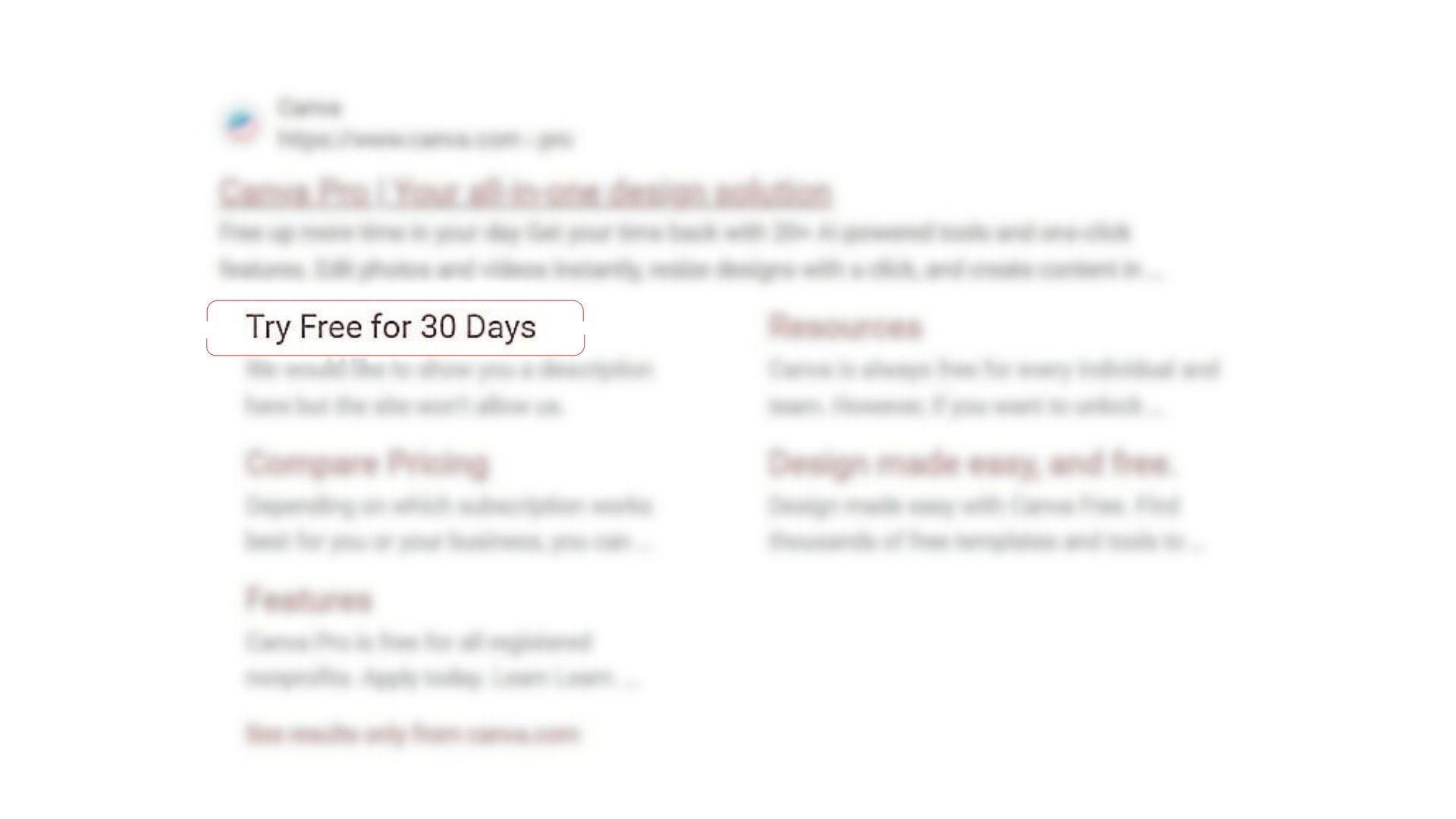
Here are some key points to keep in mind:
Use Direct Language: Tell visitors precisely what action to take.
Be Bold: Make your CTA stand out with a noticeable button or color.
Keep It Short: Use a few words to convey your message.
Position Well: Place your CTA where visitors naturally look for the next step.
When your CTAs are clear and visible, they guide your visitors toward conversion.
9. Include Visuals
Visuals like infographics grab attention and keep visitors interested. High-quality videos showing your products make it easier for people to understand your offer. Also, simple images, charts, and tables break up long text and make your page easier to read.
Here are some key points to keep in mind:
Use Direct Language: Tell visitors precisely what action to take.
Be Bold: Make your CTA stand out with a noticeable button or color.
Keep It Short: Use a few words to convey your message.
Position Well: Place your CTA where visitors naturally look for the next step.
When your CTAs are clear and visible, they guide your visitors toward conversion.
10 Optimize for SEO
Optimizing your website copy for search engines, or SEO copywriting, ensures your brand appears when people search online. Since 68% of online experiences start with a search engine and Google leads the pack, your copy must follow SEO best practices before you publish.
So, use trust markers like customer reviews, awards, or well-known brands you work with to build credibility with these visitors.
Also, with 67% of web traffic coming from mobile devices, writing a copy that looks great on phones is crucial. Think about word length, line breaks, and overall readability because the heading that works on a desktop might need editing for mobile screens.
Get these basics right, and your copy can do more than convert: well-optimized website copy is also one of the most reliable ways to grow organic traffic.
11. Proofread Your Copy
Proofreading your copy can greatly affect how customers respond to your website. Clear, error-free text shows that you care about quality and details.
This builds trust with visitors, making them more comfortable taking the next step—signing up, buying, or simply exploring more.
Therefore, before you publish, take a moment to:
Review for Errors: Check for spelling and grammar issues.
Read It Aloud: This helps you catch awkward phrases and mistakes.
Use Tools: Rely on spell checkers or ask a colleague to give it a once-over.
If you need extra help, consider using proofreading services; this will save you time and set you apart from your competitors.
Ready to Convert Visitors into Customers?
Clear structure, focused benefits, and direct language turn page views into real results. If your website isn't converting, the problem is usually the copy, not the traffic.
Book a call with our website copywriting team to improve how your site communicates and converts.