
Business content management is the process of planning, organizing, creating, storing, and maintaining content across platforms. But, without structure, content gets:
- Delayed
- Duplicated
- Disconnected
Plus, you'll get a free checklist to help you spot and fix content issues before they slow your team down.
Let's get into it.
1. Aligning Content Strategy
The Challenge: Content gets published regularly, but no one knows what it's really supporting. Teams are created for consistency, not impact.
Messaging varies across channels, and content often misses the mark with the intended audience. When strategy is disconnected from execution, even high-quality content underperforms.
How to fix it:
- Define specific goals: Tie each piece of content to a clear business objective, such as awareness, lead gen, retention, etc. No goal = no point.
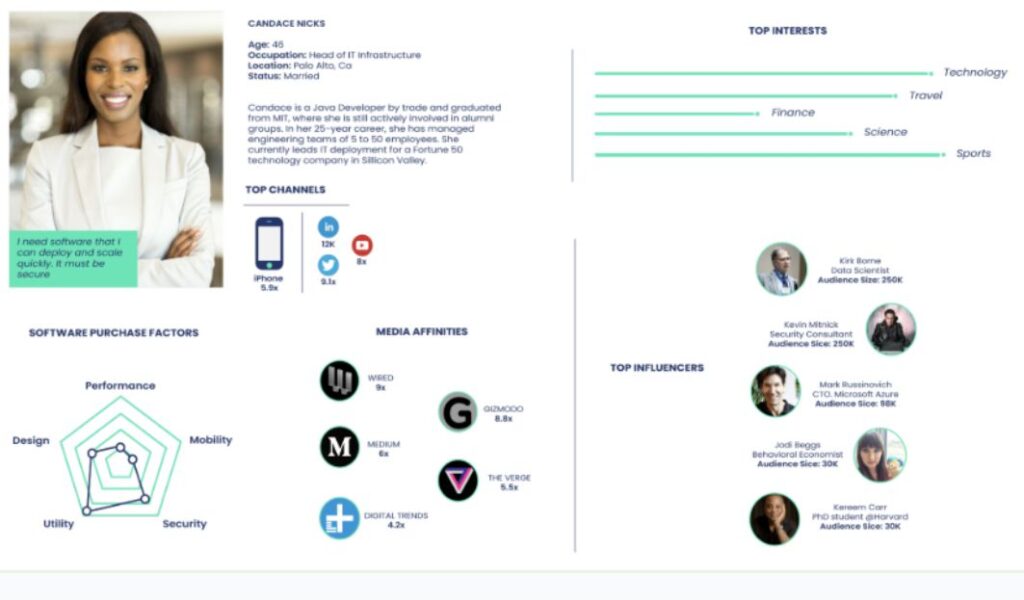
- Build audience personas: Use actual data (not guesswork) to define who you're speaking to and what matters to them.
- Involve stakeholders early: Bring in sales, product, and support to align messaging, avoid silos, and surface content needs you'd otherwise miss.
- Use a content calendar: Plan around real business priorities—product launches, seasonal pushes, campaigns—so content supports what's happening, not just what sounds good.

And, if aligning strategy feels like a constant uphill battle, partnering with an agency that provides content management services can bring much-needed structure and clarity.
2. Managing Content Workflow
The Problem: Content doesn't move. Tasks sit unfinished, no one knows who's responsible for what, and approvals drag on. Teams jump between tools or use none at all. Inconsistent workflows slow everything down and kill momentum.
How to fix it:

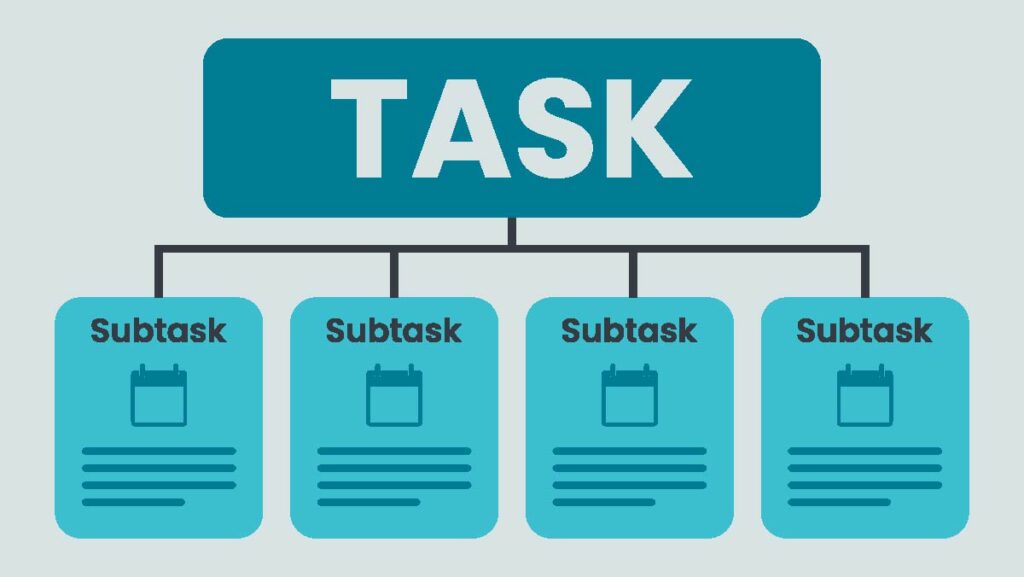
- Break projects down: Don't treat a content piece as one giant task. Split it into smaller actions with deadlines.
- Regular check-ins: Short weekly standups help catch delays early and keep the pipeline flowing.
So, whether you're scaling a blog, running campaigns, or managing product documentation, business content management systems can simplify how teams collaborate and publish consistently.
3. Developing Content Skills
The Challenge: A common content marketing problem is when teams focus solely on writing skills and ignore newer formats (like short-form video, UGC, or SEO optimized articles) and tools that today's audiences expect. This leads to low-performing content, poor engagement, and missed opportunities.
How to fix it:
- Offer focused training: Invest in SEO, analytics, UX writing, and accessibility, not just writing basics.
- Encourage testing: Let your team try new formats or tools without pressure to "get it perfect."
- Share what works: Internal sessions where team members present wins, experiments, or mistakes help everyone level up.
- Bring in the right tools: Tools like Grammarly, Clearscope, or Surfer can improve quality and speed without adding extra workload.
4. Measuring Content Impact
The Challenge: One of the most overlooked content marketing problems is publishing without measurement—teams create but never learn from results.
Without clear key performance indicators (KPIs) or a central view of performance, it's hard to know what's worth repeating or what to cut. That makes it impossible to defend your content budget or scale what works.
How to fix it:
- Set real KPIs: Track metrics that match your goals, such as conversions, demo signups, page depth, and retention, not just pageviews.
- Use performance tools: GA4, Google Search Console, Semrush, and HubSpot show what content drives results and what doesn't.
- Create simple dashboards: Visualize key data in one place so non-technical stakeholders can follow progress.
- Close the loop: Share results with your team so they know what worked, what didn't, and what to double down on.
5. Handling Content Issues
The Challenge: Over time, content piles up—old blog posts, expired offers, duplicates, broken links. That hurts trust, SEO, and user experience. Worse, teams don't know what exists or what needs updating.
And, these issues are the most widespread content management challenges for teams that have often grown quickly or changed direction.
How to fix it:
- Run a quarterly audit: Review your content library for gaps, overlaps, or outdated info.
- Prioritize what matters: Don't update everything. Start with high-traffic or evergreen content first.
- Set internal standards—tone, format, length, SEO: Clarify what "good" looks like for your brand.
- Use your CMS properly: Tag content by topic, format, and owner to make it easier to manage long-term.
Turn Your Challenges into Opportunities
Content challenges are unavoidable, but with the right structure, they're manageable. Use this checklist as a working guide and revisit it as your team or priorities shift.
Struggling with broken workflows or outdated content? Schedule a call and fix what's slowing you down.