Your brand voice needs to feel the same whether your customers see you on TikTok, Instagram, or LinkedIn.
If you're friendly on Instagram but suddenly become too corporate on LinkedIn, people won't trust your authenticity. Therefore, building a consistent brand voice takes discipline across every post and platform.
Here's how to sound authentic everywhere without losing personality:
- Define exactly who your brand is
- Adapt your messaging thoughtfully to each social platform
- Monitor and train your team, and make adjustments from time to time
Here's how to get each of these steps right.
What Is a Brand Voice?
It's the personality of your brand expressed through words, tone, and attitude. It defines how your business communicates rather than what it says. A consistent tone builds recognition and trust.
For example:
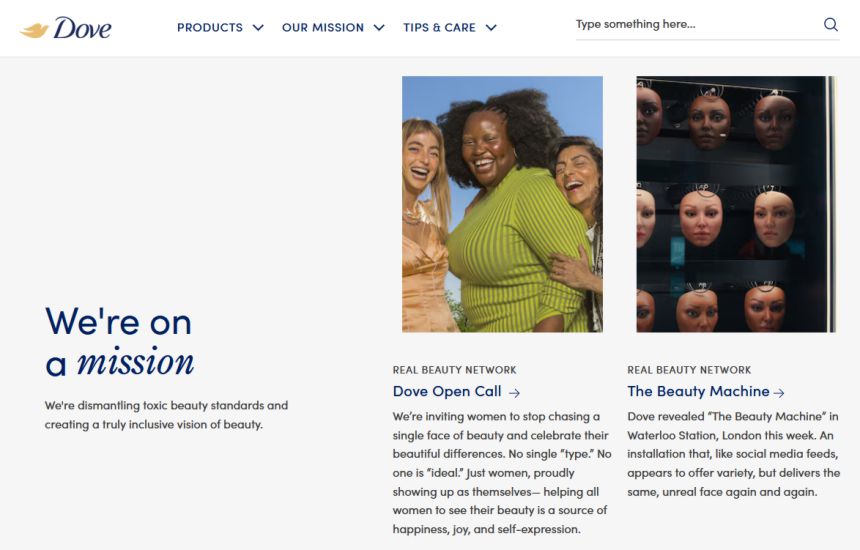
- Dove sounds sincere and caring.
- Jeep feels rugged and bold.

- IBM communicates professionalism and reliability.

Whether serious or playful, your brand voice should reflect your core values and stay consistent across all marketing channels.
Brand Voice Examples
Different voice shapes how people perceive your brand and helps trigger the behavior you want. It should always reflect your brand's values and fit both your target audience and the platform you're using.
Here are the most common types and what brands achieve with them:
Voice Type | Brands | Main Effect |
Helpful | Builds Trust | |
Bold | Drives Attention | |
Calm | Creates Comfort | |
Playful | Boosts Engagement | |
Confident | Encourages Loyalty | |
Honest | Builds Credibility | |
Innovative | Attracts Early Adopters |
Each type works because it creates a clear emotional response. Whether it's humor, trust, or confidence, a consistent brand voice turns passive readers into consumers.
How to Create a Social Media Brand Voice
Building a social media brand voice starts with understanding who you are, who you're talking to, and how you want to make them feel. Let's move on to the practical steps:
1. Define Your Brand Personality
Your brand personality combines your mission, values, and voice into a single relatable identity. It's not just about logos or colors, but about how you speak and connect with people.
Use Jennifer Aaker's five dimensions of brand personality to find your voice:
- Sincerity
- Competence
- Sophistication
- Ruggedness
- Excitement
Choosing your dominant traits helps maintain a consistent brand voice, one that matches your values and connects with your audience instantly.
2. Create Brand Voice Guidelines
Think about this as the blueprint for how your brand communicates internally and externally. It bridges the gap between who you are as a brand and how customers perceive you.
If everyone on your team doesn't clearly understand how your brand should sound, confusion and inconsistency will appear in your social media posts. So, here's how to create effective guidelines:
- Define your mission and vision: This shapes your purpose and long-term communication goals.
- List your brand values: These determine your voice (transparent, empowering, or playful).
- Clarify your target audience: Understand who you're talking to, what language they use, and what resonates with them.
- Document voice variations: For example, professional on LinkedIn, relaxed on TikTok.
- Provide examples: Include "dos and don'ts" to demonstrate your preferred voice in real content.
When every team member uses these guidelines, your social media brand voice becomes unified, no matter who's posting.
3. Know Your Audience
Your social media brand voice should sound natural, not forced. Understanding your audience's behavior helps with that. For instance:
- LinkedIn users value professional updates and data-backed insights.
- TikTok users prefer humor, authenticity, and behind-the-scenes moments.
- Instagram audiences engage more with stories and emotion-driven visuals.
Use analytics, surveys, and comments to identify what resonates. To effectively connect, start by clearly defining your core audience:
- Age
- Gender
- Location
- Lifestyle
But don't stop there. Look deeper into their
- Attitudes
- Preferences
- Behaviors—psychographics
Are they attracted by sustainability, status, convenience, or excitement? Next, find out exactly where your customers consume content:
- Videos
- Blogs
- Podcasts
- Short-form posts
Don't forget to regularly check analytics such as engagement rate, time on page, and content shares. For example, Google Analytics can quickly show if your audience spends more time with videos or prefers shorter posts.
The more you understand your audience, the easier it becomes to send messages that feel personal while maintaining a consistent brand personality.
4. Adapt to Platform Nuances
Maintaining the same company voice doesn't mean copying the same message everywhere; it means adapting your voice while keeping your identity intact.
Platform | Voice Style | Example |
Friendly | "Designed to stand out on every shelf." | |
TikTok | Entertaining | "This ad got 2M views overnight." |
Educative | "73% of consumers trust consistent branding." | |
X (Twitter) | Provocative | "Everyone's suddenly a branding expert today." |
Tailoring content for each platform helps strengthen engagement without sacrificing consistency.
5. Consistent Visual Branding
Every visual element (color palette, typography, graphics, and logo) should mirror your brand personality. To achieve this:
- Create a visual brand guide documenting logo usage, colors, and design approach.
- Build templates for posts, videos, and ads to keep the style uniform.
- Store assets in one place, like a shared drive or DAM system, to avoid mismatched visuals.
- Run regular design audits to catch inconsistencies early.
6. Schedule Regular Audits
These audits involve systematically reviewing your posts, visuals, and messages across platforms to ensure alignment with your established guidelines.
How to do it? Follow the next steps:
- Set clear goals: Define exactly what you'll review (posts, visuals, engagement rates) and identify your benchmarks clearly from the start.
- Choose a practical format: Pick a reporting style that fits your needs (simple checklists for quick monthly reviews or more detailed documents for quarterly deep dives).
- Use project management tools: Software like Trello or Asana can help organize audits, assign team tasks, and track progress clearly.
- Follow the PDCA (Plan-Do-Check-Act) cycle: Plan your audits carefully, carry them out thoroughly, check findings against your standards, and act immediately to fix any gaps or inconsistencies.
- Gather feedback: Regularly invite feedback from team members or external experts to ensure your audits remain accurate and valuable.
- Finalize clearly and quickly: Always double-check your audit reports for clarity and accuracy before distributing results to your team.
Brands that consistently audit their social content spot mistakes quickly, avoid confusion among customers, and maintain stronger trust over time.
7. Use cross-platform tools
Social media management tools like Buffer, Sprout Social, and Hootsuite help maintain a unified voice by centralizing your workflows.
✔️ Plan and post your content simultaneously across channels, preventing messaging errors or missed posts.
✔️ Allow your team to access shared calendars and assets, so everyone stays aligned on your company's voice.
✔️ Get clear performance data from each platform in one dashboard, quickly spotting what content resonates and what doesn't.
✔️ Instantly adjust campaigns based on real-time analytics, ensuring your message remains on track.
These tools ensure your brand stays recognizable even when multiple people manage your accounts.
If you're managing multiple profiles or campaigns, pairing them with professional social media management services can make coordination even easier; keeping your voice consistent while saving time on day-to-day posting and analysis.
8. Train Your Team
Your brand language only stays consistent if everyone managing your social media fully understands and follows your guidelines. To keep your team aligned, consider these steps:
- Hold regular training sessions: Schedule short workshops or webinars regularly and explain your brand personality, and demonstrate how to implement it consistently across each social media platform.
- Show real-life posts: Use actual examples of great posts and some that missed the mark to highlight the difference consistency makes in customer perception visually.
- Practice with role-playing: Let your team practice responding to different scenarios, like customer questions or complaints, using your brand guidelines.
- Provide continuous support: Give your team easy access to brand guidelines, templates, and a dedicated contact person for questions to prevent confusion and mistakes.
Regular team training makes sure everyone speaks the same language across every channel!
9. Regularly Review and Adjust
Your consistent brand voice depends on people, not just documentation. Provide training sessions that explain your brand language and show real-life social media brand voice examples.
Encourage role-play scenarios where employees practice responding to customer comments or complaints in the right tone. To maintain the same voice:
- Monitor social trends: Pay close attention to new content styles, trending topics, and emerging user preferences on each platform.
- Check alignment with goals: Regularly confirm that your social media voice still matches your current business objectives and customer expectations.
- Update guidelines periodically: Adjust your brand guidelines as needed, adapting your messaging if you find they no longer resonate clearly.
- Stay open to change: Recognize that successful brands adapt quickly, not rigidly sticking to outdated communication styles.
4 Social Media Brand Voice Examples
Here are some real-world brands with strong, consistent voices across social media; each using voice as a tool to build recognition, emotion, and trust.
1. Nike
Nike's brand voice is built around empowerment and action. Its signature phrase, "Just Do It," perfectly reflects the brand's identity: short, direct, and emotionally charged. Across platforms, they keep this energy alive with punchy captions, athlete stories, and visuals that focus on human effort and progress.
- On Instagram and TikTok, motivational one-liners pair with high-impact videos.
View this post on Instagram
- On LinkedIn, the same voice becomes more reflective, celebrating perseverance and inclusion in sports.
2. Mailchimp
- Mailchimp's TikTok strategy includes an approachable and confident voice, mixing quick expert tips with natural speech so it feels like advice from a relatable marketer.
@mailchimp When it comes to driving sales this holiday season, what does Jess Cervellon recommend to today’s marketers? Tapping into your customers’ behavior—their wants, needs, and triggers—and marketing to them based on their buying habits. Discover how marketing to your customers, based on their consumer psychology, is the ticket to success. Register in the link in bio to catch up on all of last week’s Marketing Success Season content. #mailchimp #marketing #marketingtips #marketingtools #holidayshopping ♬ original sound - Intuit Mailchimp
3. Apple
You'll rarely find exclamation marks or long sentences in Apple's messaging. Instead, posts rely on strong visuals and short, confident statements like "Shot on iPhone" or "Privacy. That's iPhone."
- Apple's Instagram posts center around visual storytelling, and the captions are short, poetic, and emotionally resonant.
4. Duolingo
Duolingo's voice breaks the traditional "corporate" mold. It's sarcastic — especially on TikTok, where the green owl mascot has become an internet celebrity.
Posts often joke about the app's reminders ("You better do your Spanish lesson today…") or play with trending memes to keep it relatable. Across all platforms, the mix of humor, emojis, and pop culture references makes Duolingo instantly recognizable and refreshingly human.
Duolingo's Instagram posts contain quirky captions like "duo mochi for sale", never taking itself too seriously. The humor is absurd, but intentional — it humanizes the brand and keeps it culturally relevant.
View this post on Instagram
- TikTok's Posts combine relatable memes, self-aware jokes, and pop culture trends with the mascot's over-the-top attitude.
- Even in a professional space, Duolingo's voice doesn't change — it's still witty and full of character. Posts about company culture show that even corporate updates can reflect the same personality that users love on TikTok and Instagram.
Ready to Refine Your Brand's Voice?
Creating consistency across social media means clearly defining who your brand is, adapting your message effectively to each platform, and continuously monitoring your progress.
And if managing all of this sounds challenging, our experienced social media specialists can simplify the process. Contact our content team today for a quote!