Every strong brand has something in common: consistency.
This is something that should be reflected in everything you do: the tone of your posts, the color of your buttons, and how you write emails. A cohesive experience builds trust. On the other hand, mismatched visuals and messaging confuse your audience and weaken your brand.
Your business may already have a logo and colors. But brand identity design is more than a visual starter pack – to stand out and stay memorable, your identity needs to show up consistently across every touchpoint, from your brand website to your social media, sales decks, and product packaging.
This guide will walk you through how to create a brand identity, how to maintain it, what mistakes to avoid, and how to stay consistent everywhere your brand appears.
What Is a Brand Identity?
A brand identity is the collection of visual and verbal elements that define how your brand looks, sounds, and feels. It’s more than your logo. It includes your color palette, typography, icon style, voice, messaging, photography, and even how your team communicates online.
Great brand identity examples are everywhere. Think of a brand you recognize instantly (like Coca-Cola, Ikea, or Snickers), even if its logo is covered. Maybe it's their playful tone, signature color scheme, or unique illustrations. That's brand identity doing its job.
So, why is brand identity important? Because it builds recognition, credibility, and emotional connection. People are more likely to trust, buy from, and recommend brands that feel familiar. It also helps internal teams make better decisions and create content faster by providing clear guidelines.
At its core, branding and design work together to express your brand’s personality and promise, both visually and verbally.
How to Maintain a Brand Identity?
Maintaining brand identity means protecting how your brand looks and sounds, even as it grows. This requires clear guidelines, easy access to assets, and regular check-ins for consistency.
Here are a few tips:
Use a Brand Guide
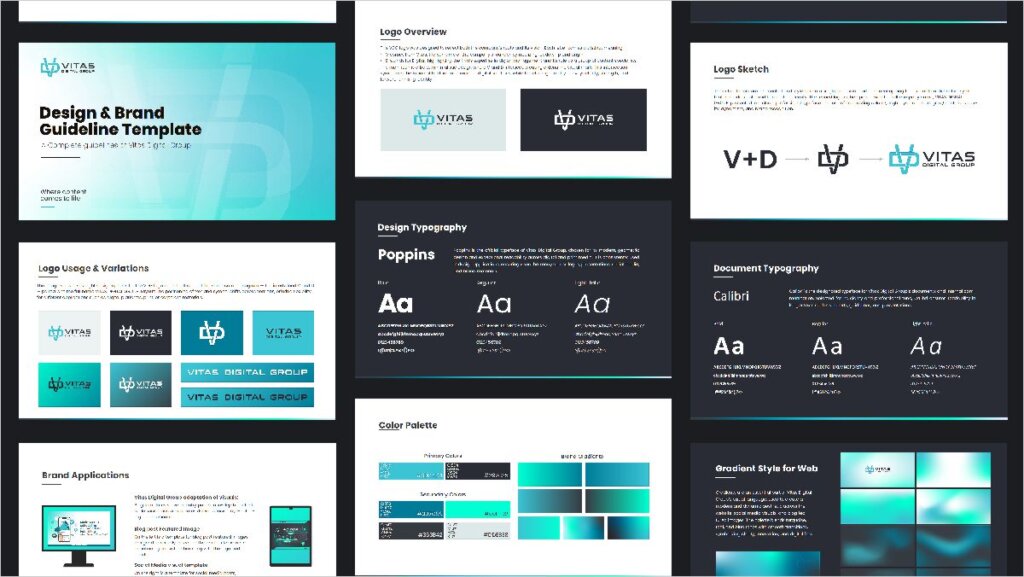
The easiest way to stay consistent is to create a brand guide. This is a living document that includes your color codes, logo variations, font pairings, and examples of usage.
When someone new joins your team (or you hire a freelancer), they should be able to understand your brand instantly from this document.
Many strong brand identity examples come from brands with detailed style guides that evolve over time. A template helps prevent guesswork, especially when you’re posting across multiple platforms or working with multiple creators.
Define Your Brand Voice
Your voice is how you sound in writing. Is your brand friendly and casual or formal and direct? That tone should stay consistent in emails, social captions, product copy, and support responses.
Even if your visual identity and design are perfect, an inconsistent tone can throw off your message, so make sure that your writers and copywriters get familiar with your brand’s tone before they start writing.
Create a few examples of how your brand speaks. Define what your brand says, what it avoids, and how it reacts to praise or criticism. That way, anyone writing for your brand can stay on the same page.
Store Brand Assets in One Place
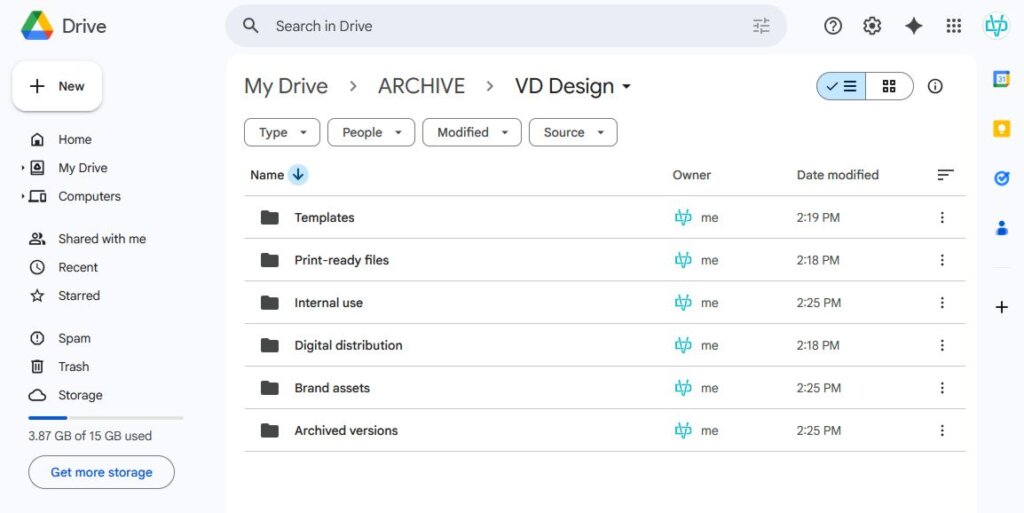
A scattered Dropbox and random Canva files will create chaos. To stay consistent, store your logos, templates, typography, and visual elements in one central place.
This is especially important if you have freelancers or remote teams. With proper corporate identity design, anyone working on content or graphics should know where to go and what to use.
We recommend using tools like Notion, Google Drive, or specialized brand asset platforms to help make access easier and faster. Or, you can partner with a graphic design service that can work with you to keep all your visual assets consistent and in one place.
Audit for Inconsistency
As your brand grows, things can get messy. That’s normal and it shouldn’t be a cause for concern, but it’s still best to make it a habit to audit your channels regularly.
Does your brand website match your social content? Are your email signatures aligned with your brand tone? Is your photography style consistent across platforms?
Check your colors, logos, headers, and CTAs. Look for outdated materials and refresh as needed.
Update Guidelines as You Grow
Your brand is not static. You’ll evolve, update your offers, or explore new platforms. That means your guidelines should evolve, too.
Review your style guide every quarter or whenever there’s a rebrand, new campaign, or product launch. Add new examples. Clarify old ones.
This helps your identity stay fresh while still feeling familiar.
How to Stay Consistent Across Platforms
Your audience may follow you on multiple platforms, and they expect a uniform experience because that’s what they’re used to seeing from huge brands. That means your visual identity, messaging, and tone need to match across channels.
Start by creating platform-specific templates. Your website will have more detailed content, while Instagram needs bite-sized visuals. Email newsletters should reflect the same branding as your sales materials.
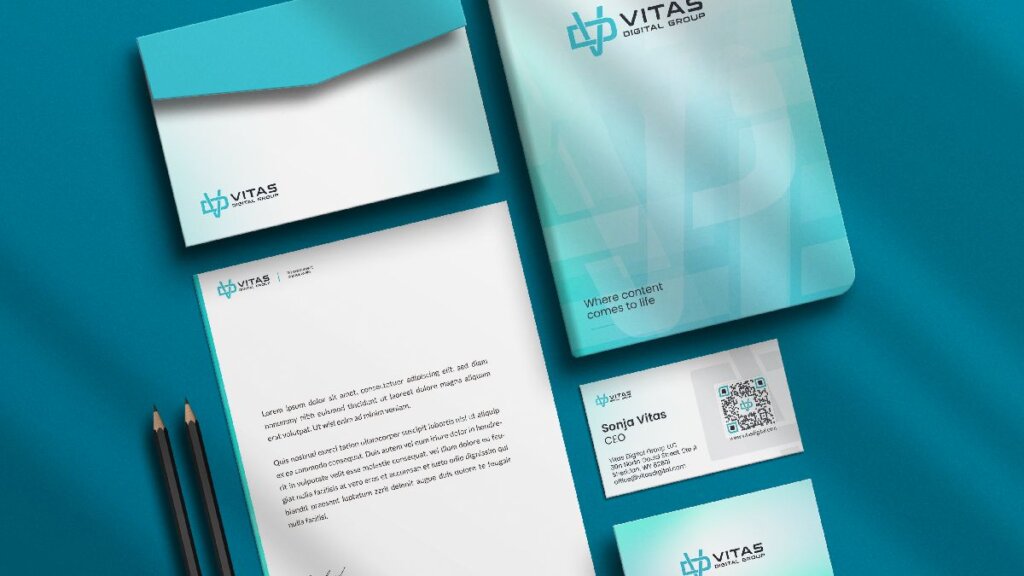
Strong corporate identity design should guide how you resize visuals, adapt copy, and keep elements like headers and CTAs consistent.
Use the same brand colors and fonts everywhere. Match your tone across captions, blog posts, and customer support. Make sure that your branding designs work well in both light and dark modes, and both on mobile and desktop.
And, lastly, don’t be afraid to repurpose content. Let’s say your LinkedIn post shares a stat with a bold graphic. That same graphic can be reused in a blog, trimmed for Stories, or featured in an email. This saves time and keeps your brand voice aligned.
Common Branding Pitfalls
Even well-known brands can lose consistency, but it shouldn't be a big deal. It happens. Still, if you want to avoid making the same mistakes, here are the most common issues to watch for:
- Changing your tone of voice depending on the platform confuses your audience. If you're playful on Instagram but serious in emails, it feels off.
- Another issue is design inconsistency. If your social media looks trendy but your website feels outdated, users may question your credibility.
- Ignoring mobile display is a major one. Many people will first interact with your brand on a phone. Make sure your logos scale well and text stays readable.
- Speaking of logos, avoid poor scaling. Upload high-resolution files and test them on different backgrounds and screen sizes.
- Lastly, changing your visual rules too often breaks trust. Your team and your audience need visual continuity.
Outsourcing can help, but not always. Low-quality brand identity services or unclear instructions can result in mismatched visuals and tone. Always onboard partners with clear guidelines and examples.
If you're unsure how to improve, do a quarterly check-in. Or better yet, start with a brand audit.
Ready to Strengthen Your Brand Identity?
Maintaining a consistent brand identity across platforms means aligning your tone, visuals, and messaging wherever your brand appears, including on your website and social media.
With clear templates, centralized asset management, and regular audits, your brand can stay cohesive, build trust, and stand out. Contact us and schedule your consultation.